US-FDA Approved Tech
Dr Charu Singh
Advanced Skin Brightening Technology

Skin Pigmentation Treatment &
Radiant Complexion Solutions.

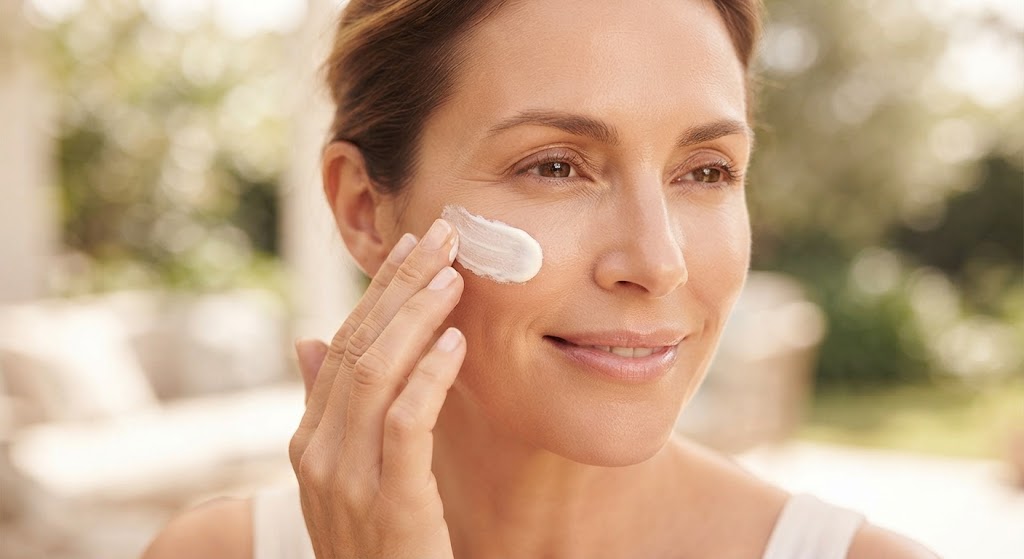
Dark spots, uneven patches, and blotchy skin tone are among the most common reasons people seek dermatology care. Skin pigmentation happens when melanin, the pigment that gives skin its color, is produced unevenly across the face or body. Our clinic offers targeted pigmentation treatment to fade dark spots, even out skin tone, and restore a clearer, more radiant complexion.

What Is Skin Pigmentation
Uneven Melanin Production

Spots & Blotchy Discoloration

Understanding Your Skin

What Is Skin Pigmentation?

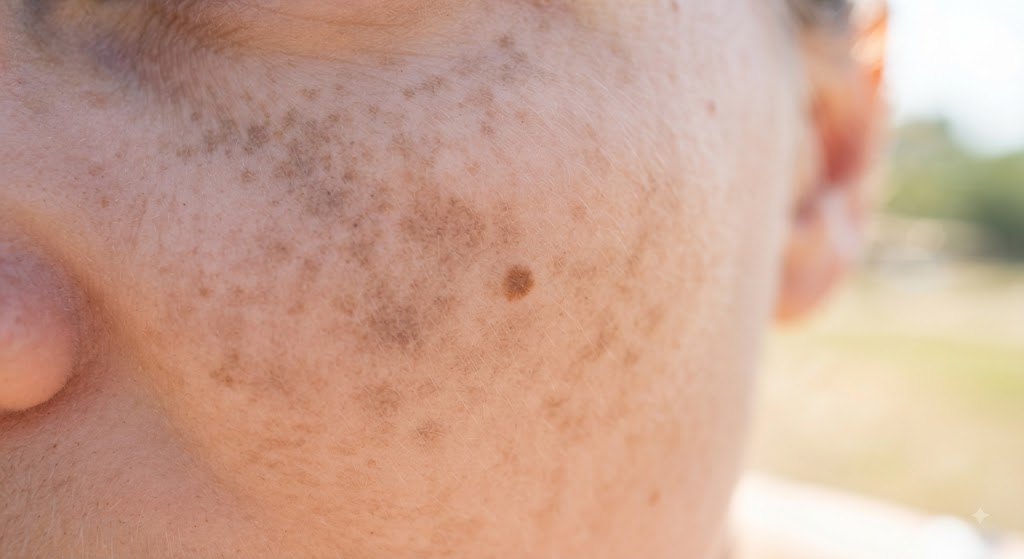
Pigmentation refers to any patch of skin that appears darker or lighter than the surrounding area due to changes in melanin production. It can show up as small spots, larger patches, or blotchy discoloration, commonly affecting the face, hands, neck, and areas most exposed to the sun.

Professional Insight:

"Our clinic offers targeted pigmentation treatment to fade dark spots, even out skin tone, and restore a clearer, more radiant complexion."
Comprehensive Analysis

Causes & Types of Pigmentation

Identifying root causes and specific pigmentation variations for accurate clinical solutions.

What Causes Pigmentation?

  • Sun exposure – cumulative UV damage over the years
  • Post-inflammatory marks – left after acne, cuts, or skin irritation
  • Hormonal changes – from pregnancy, contraceptives, or thyroid conditions
  • Aging – slows skin cell turnover and evens melanin distribution less efficiently
  • Genetic factors – make some people more prone to dark spots
  • Certain skincare products – or medications that increase sun sensitivity

Common Types of Pigmentation

  • Sunspots (solar lentigines) – flat, brown spots from long-term UV exposure
  • Freckles – small, genetically influenced spots that darken with sun exposure
  • Post-inflammatory hyperpigmentation – dark marks left behind after acne, injury, or irritation
  • Age spots – larger, flat patches that develop with age, mainly on hands and face
Identifying Pigmentation Type

Targeted Clinical Assessment

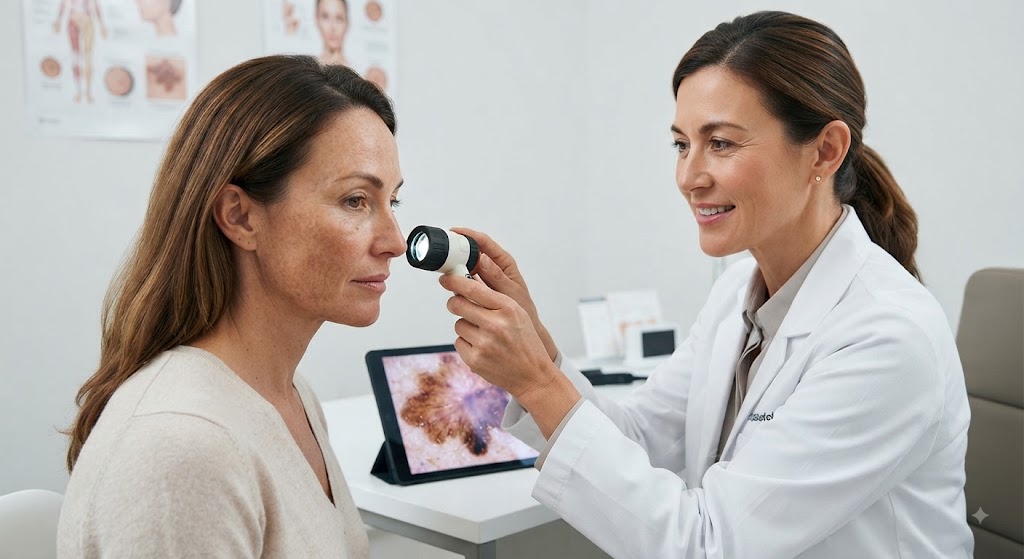
Identifying the exact type and cause of your pigmentation helps determine which treatment will work most effectively and how long results are likely to last.

Professional Solutions

Pigmentation Treatment Options We Offer

Targeted interventions to fade dark spots and reveal radiant skin.

Chemical Peels & Topicals

Exfoliate pigmented surface cells and use prescription depigmenting agents to gradually fade dark patches.

Laser & Q-Switched Therapy

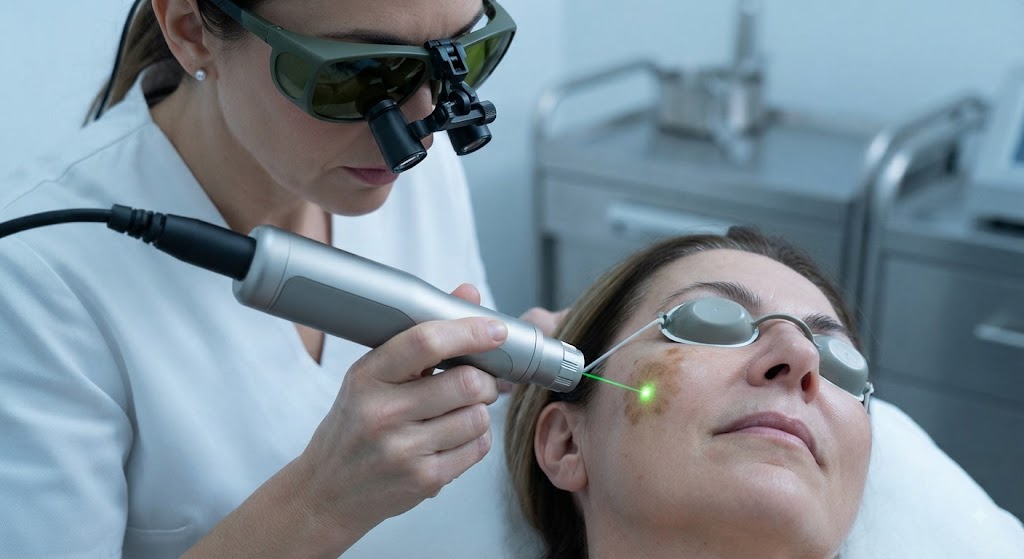
Breaks down excess melanin in targeted areas and precisely treats stubborn spots or deeper pigmentation.

Microneedling & Sun Protection

Combines brightening serums with texture renewal, backed by broad-spectrum sun protection to prevent new spots.

Why Choose Our Clinic

Why Choose Our Clinic

Not all dark spots respond the same way to treatment, so our dermatologists first determine the cause and depth of your pigmentation before recommending a plan. This targeted approach helps fade discoloration effectively while reducing the chance of new spots developing over time.

FAQs
Expert Guidance

Frequently Asked Questions

Everything you need to know about results timeframe, recurrence, safety, and melasma.

Most patients notice visible fading within 4 to 6 weeks, though deeper pigmentation may take longer to clear fully.

Yes, especially without daily sun protection. Consistent SPF use helps maintain results and prevent new dark spots.

Yes, laser treatments are calibrated to your skin type and performed by trained professionals to minimize risk.

Pigmentation is a general term for dark spots or patches, while melasma is a specific, hormone-driven type of pigmentation that often appears symmetrically on the face.
Schedule Your Consultation

Even out your skin tone and fade stubborn dark spots.

Book a consultation today for a personalized pigmentation treatment plan.

Mon - Sat: 10:00 AM - 8:00 PM | Sunday By Appointment