US-FDA Approved Tech
Dr Charu Singh
Advanced Hormonal Pigmentation Care

Melasma Treatment &
Hormonal Discoloration Solutions.

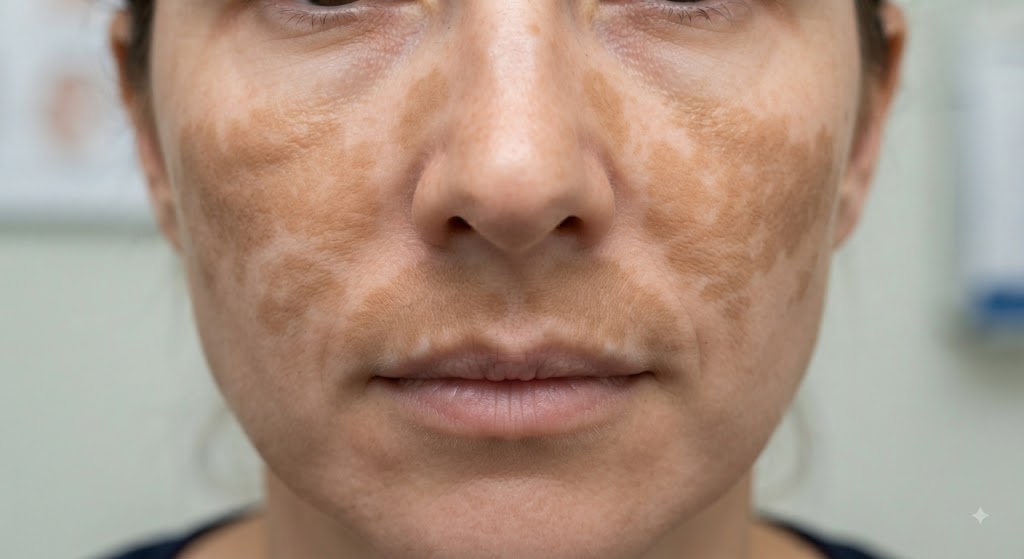
Melasma is a stubborn form of skin discoloration that often appears as symmetrical brown or grayish patches on the face, particularly the cheeks, forehead, and upper lip. Strongly linked to hormones and sun exposure, it can be more resistant to fading than other types of pigmentation. Our clinic offers specialized melasma treatment designed to manage flare-ups, lighten patches, and keep discoloration from returning.

What Is Melasma
Hormonal Activity

Symmetrical Facial Patches

Understanding Your Skin

What Is Melasma?

Melasma is a chronic skin condition caused by overactive pigment cells producing excess melanin in specific areas, usually the face. Unlike scattered sunspots or freckles, melasma tends to form larger, symmetrical patches and is closely tied to hormonal activity, making it more common during pregnancy, with certain contraceptives, and among women overall, though it can affect anyone.

Professional Insight:

"Strongly linked to hormones and sun exposure, melasma can be more resistant to fading than other types of pigmentation."
Comprehensive Analysis

Triggers, Patterns & Long-Term Management

Recognizing melasma catalysts, facial distribution patterns, and why ongoing care matters.

What Triggers Melasma?

  • Hormonal changes – from pregnancy, birth control pills, or hormone therapy
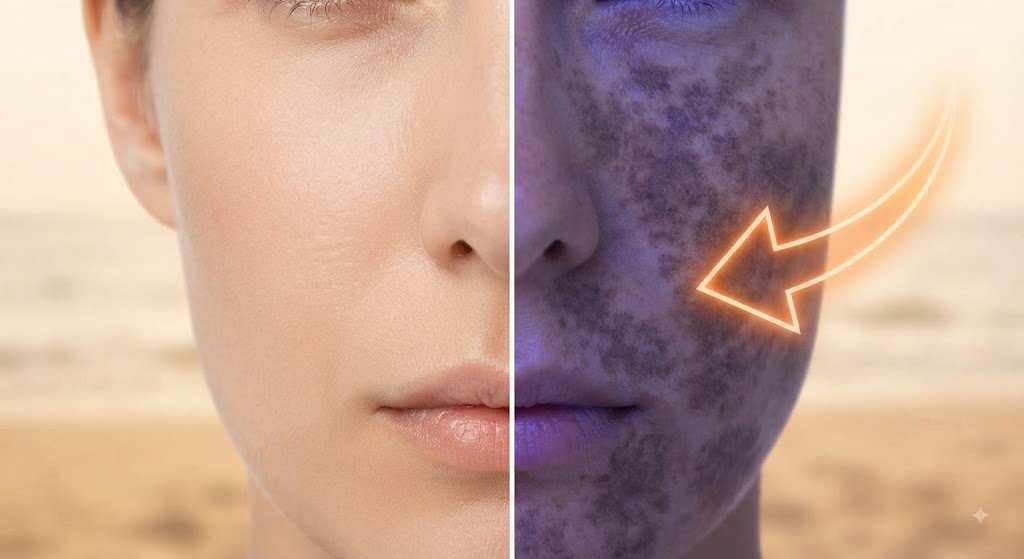
  • Sun and heat exposure – which stimulate pigment-producing cells
  • Genetic predisposition – especially with a family history of melasma
  • Certain skincare products – or treatments that irritate the skin
  • Thyroid disorders – and other underlying hormonal imbalances

Common Patterns of Melasma

  • Centrofacial pattern – affects the forehead, cheeks, nose, and upper lip
  • Malar pattern – concentrated on the cheeks and nose
  • Mandibular pattern – appears along the jawline

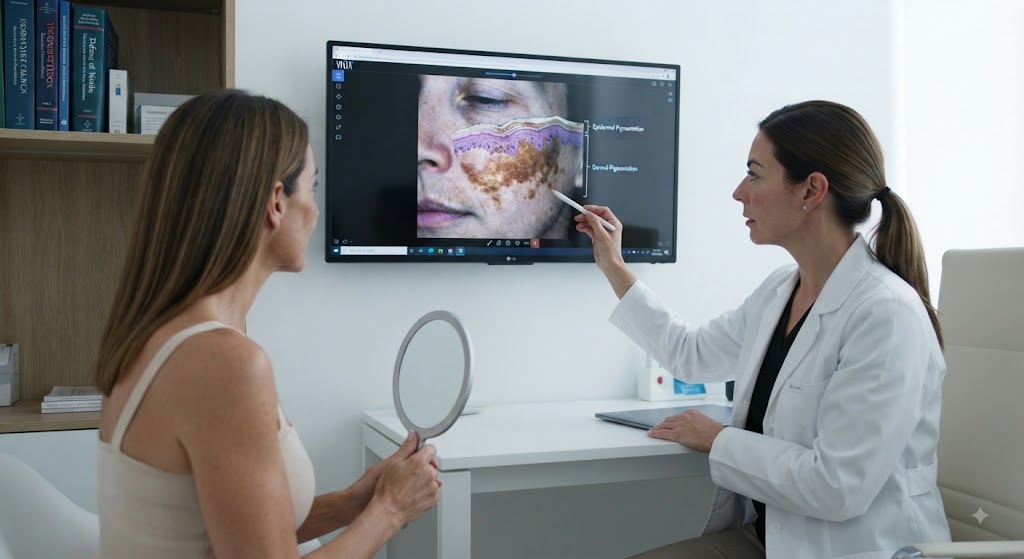
Melasma can also be classified by depth, appearing in the epidermis, dermis, or both, which affects how it responds to different treatment methods.

Why Melasma Needs Long-Term Management

Because melasma is driven by hormones and sun exposure, it tends to be more persistent and prone to recurrence than other pigmentation concerns. Rather than a one-time fix, successful treatment usually involves ongoing care, consistent sun protection, and periodic maintenance sessions to keep patches from returning.

Professional Solutions

Melasma Treatment Options We Offer

Specialized care to manage flare-ups, lighten patches, and prevent recurrence.

Topicals & Chemical Peels

Prescription-strength depigmenting creams and targeted exfoliation peels to gradually fade surface-level patches.

Laser Toning & Q-Switched

Low-intensity laser toning and careful Q-switched therapy to gently break down melanin over time for resistant patches.

Supplements & Sun Protection

Oral antioxidants supporting skin health combined with strict broad-spectrum SPF protocols to block triggers.

Why Choose Our Clinic

Why Choose Our Clinic

Melasma requires a careful, measured approach, since aggressive treatment can sometimes worsen pigmentation. Our dermatologists assess your melasma pattern and depth before recommending a gentle, effective combination of therapies, paired with a long-term prevention plan to protect your results.

FAQs
Expert Guidance

Frequently Asked Questions

Everything you need to know about melasma cure, pregnancy impact, results, and recurrence.

Melasma can be significantly lightened and controlled, but it tends to be a long-term condition that requires ongoing management rather than a permanent one-time cure.

In some cases, pregnancy-related melasma fades naturally after childbirth, but many patients still need treatment for it to clear completely.

Visible lightening often begins within 6 to 8 weeks, though full improvement can take several months of consistent treatment.

Melasma is highly sensitive to sun exposure and hormonal changes, so patches can return without daily sunscreen use and ongoing care.
Schedule Your Consultation

Manage stubborn melasma with a treatment plan built for long-term results.

Book a consultation today to get started.

Mon - Sat: 10:00 AM - 8:00 PM | Sunday By Appointment