US-FDA Approved Tech
Dr Charu Singh
Medical-Grade Acne Clearance Care

Acne Care & Targeted
Breakout Control Solutions.

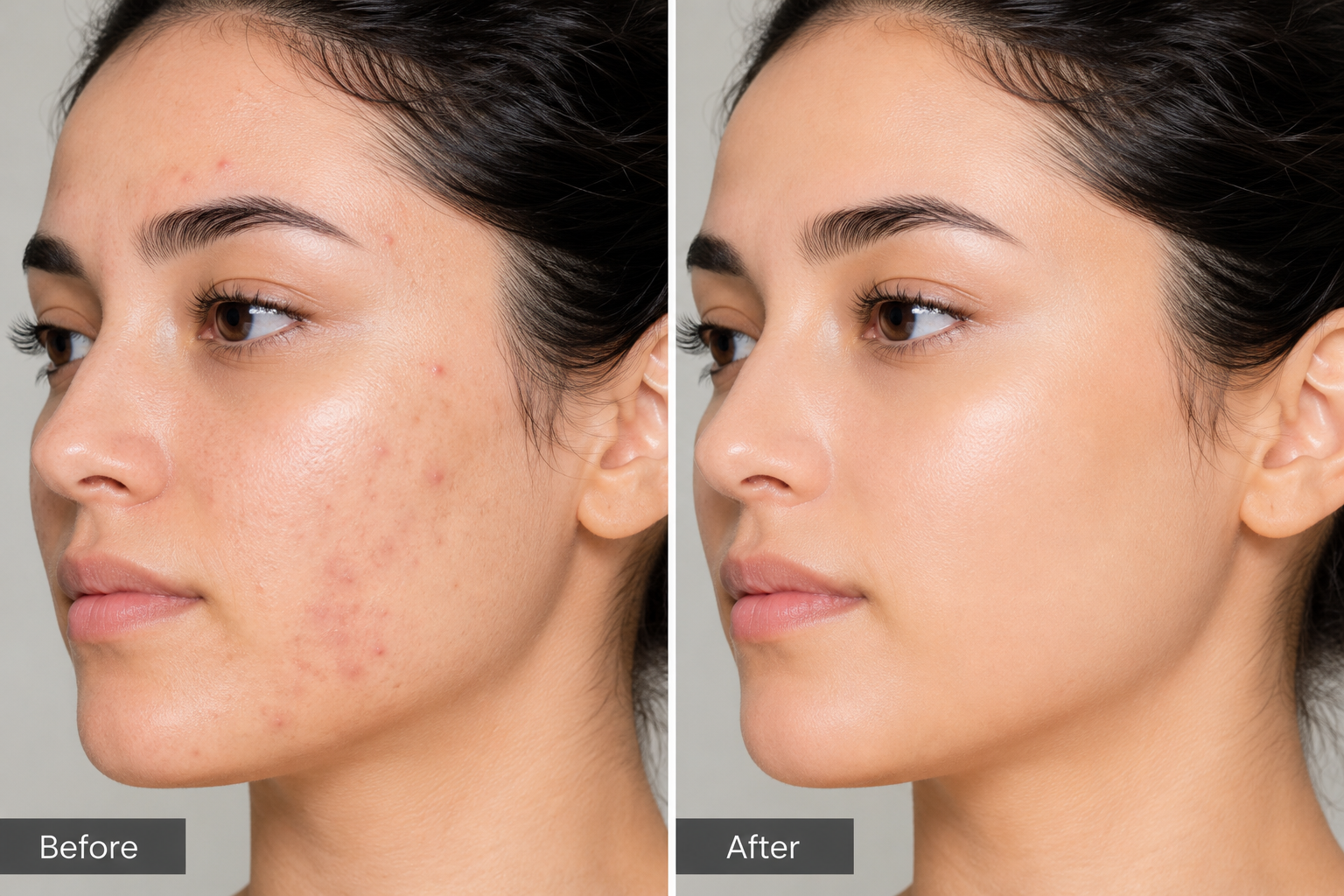
Persistent pimples, oily skin, and unpredictable breakouts affect people well beyond their teenage years, making acne one of the most frequently treated skin concerns at any age. With the right combination of medical care and skincare habits, even stubborn or recurring acne can be brought under control. Our clinic provides personalized acne care focused on calming current breakouts and preventing new ones from forming.

Understanding Acne
Subsurface Inflammation

Sebum & Bacteria Clogging Pores

Understanding The Condition

Understanding Acne

Acne forms when pores become clogged with a combination of excess sebum, shed skin cells, and bacteria, sparking inflammation beneath the skin's surface. This process can produce anything from small, occasional blemishes to widespread, painful cystic breakouts, and it commonly affects the face, chest, shoulders, and back.

Professional Insight:

"Our clinic provides personalized acne care focused on calming current breakouts and preventing new ones from forming."
Comprehensive Analysis

Triggers, Acne Types & Worsening Habits

Analyzing breakout catalysts, clinical classifications of blemishes, and habits to avoid.

What Triggers Breakouts?

  • Sebum overproduction – from overactive oil glands
  • Hormonal fluctuations – tied to puberty, menstrual cycles, or pregnancy
  • Dead cell buildup – blocking hair follicles and pores
  • Bacterial activity – intensifying redness and cystic swelling
  • Genetics & lifestyle – family history, high stress, or heavy cosmetics

Recognizing Different Acne Types

  • Blackheads & whiteheads – mild, surface-level clogged pores
  • Papules – small, firm, reddish bumps without visible pus
  • Pustules – inflamed bumps with a clear pus-filled center
  • Nodules – deep, hard, and often painful lumps beneath skin
  • Cystic acne – severe form with a high risk of permanent scarring

Habits That Can Make Acne Worse

Picking, popping, or squeezing active breakouts
Using thick, pore-clogging cosmetics or skincare
Touching the face frequently throughout the day
Skipping or over-washing the skin, disrupting balance
Professional Solutions

Acne Care Options We Offer

Topical retinoids, oral antibiotics, oil-control formulations, and professional extractions.

Topical Retinoids & Antibiotics

Clears clogged pores, normalizes cell turnover, and reduces bacteria and inflammation in moderate cases.

Hormonal Management & Oils

Addresses hormone-driven breakouts with specialized salicylic acid and benzoyl peroxide formulations.

Extractions & Long-Term Planning

Safely clears stubborn blackheads and whiteheads while maintaining clear skin and reducing relapse.

Why Choose Our Clinic

Why Choose Our Clinic

Since acne triggers and severity vary widely between individuals, our dermatologists begin with a detailed skin assessment to identify your specific pattern of breakouts. This allows us to build a treatment plan that controls active acne effectively while reducing your risk of future scarring.

Expert Guidance

Frequently Asked Questions

Everything you need to know about clearance speed, dietary links, popping risks, and adult versus teenage acne.

Most patients notice fewer breakouts within 4 to 8 weeks, with continued improvement over the following months of consistent treatment.

Certain foods, particularly those high in sugar or dairy, can worsen acne for some individuals, and a dermatologist can help identify personal triggers.

It's best avoided, as popping increases the risk of infection, prolonged inflammation, and permanent scarring compared to professional extraction.

Treatment principles overlap, but adult acne is often more hormonally driven, so plans may be adjusted accordingly.
Schedule Your Consultation

Take the first step toward clearer skin with a personalized acne care plan.

Book a consultation today.

Mon - Sat: 10:00 AM - 8:00 PM | Sunday By Appointment